Oops! Something went wrong while submitting the form.
By providing a telephone number and submitting this form you are consenting to be contacted by SMS text message. Message & data rates may apply. You can reply STOP to opt-out of further messaging.
Case Study
Modernizing An Investment Analytics Platform
From Legacy Windows App to a Modern React / Python / Postgres Stack — a Technical Case Study
Praveen Ghanta, CEO, Hire Fraction·June 7, 2023·5 min read
Legacy ModernizationInvestment AnalyticsReactPythonCase Study
Key Takeaways
A top-down UI pass followed by a bottom-up data schema design accelerates full rewrites and avoids late-stage data surprises.
Domain expertise matters as much as technical skill — a CFA-level engineer closed the finance knowledge gap that would have stalled a generalist team.
Fraction’s fractional model accessed senior talent with niche investment knowledge at standard Build plan pricing, avoiding 2–4x market-rate salaries for equivalent full-time hires.
The new architecture delivers an always-current web experience with interactive Highcharts analytics — matching desktop depth without manual update installs.
AWS Lambda handles automated data feed processing, eliminating the periodic manual downloads that burdened users of the old system.
Migrating a complex, actively maintained desktop analytics application to the web is one of the hardest engineering challenges a software company can face. This is how Fraction did it for an investment analytics provider — on budget, with a single senior engineer, and without pausing ongoing development on the legacy system.
What was the legacy platform problem?
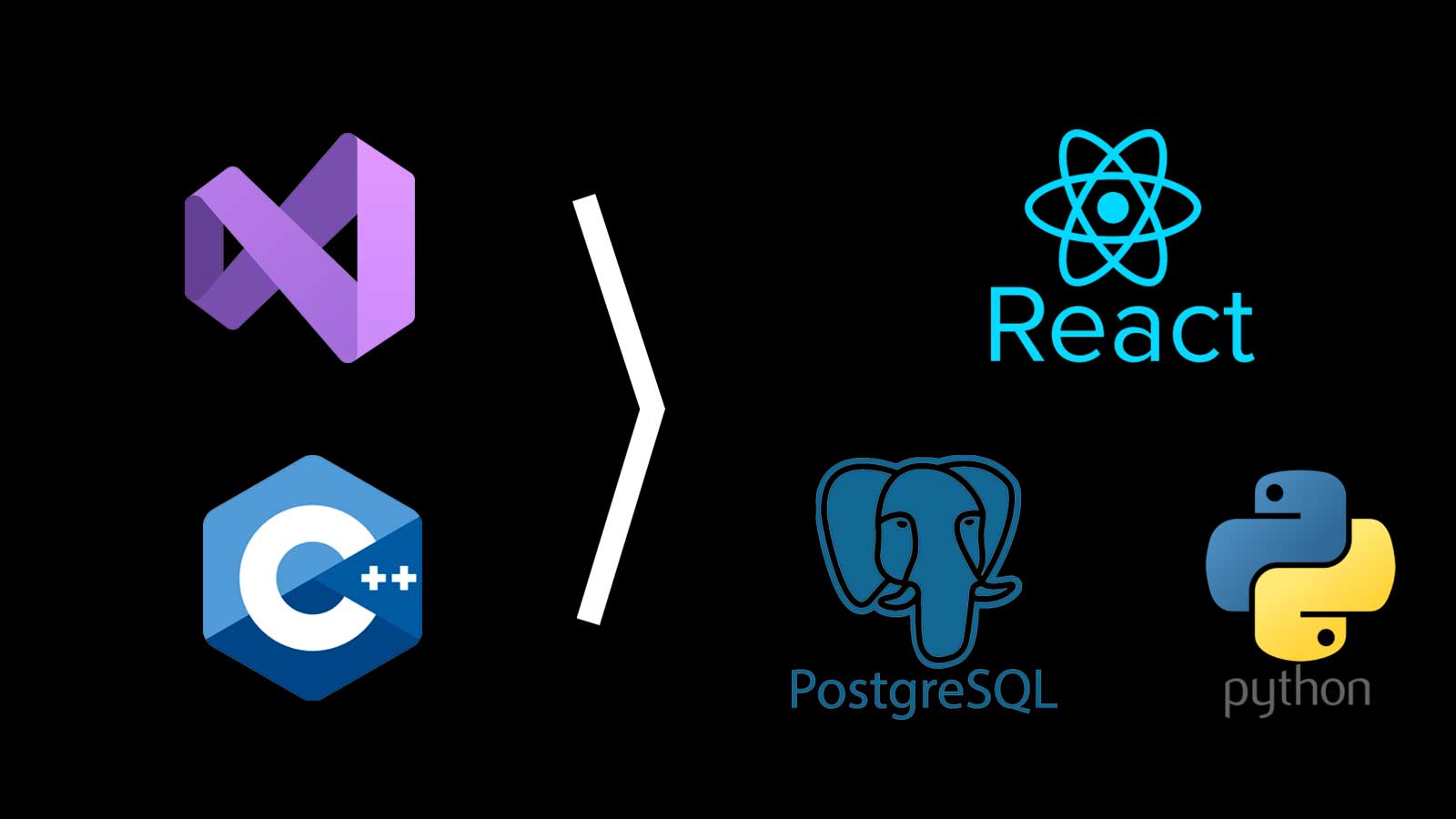
Fraction received interest from an investment analytics software provider that needed to modernize their aging software. The analytics platform was originally built in the early 2000s using Microsoft Visual Studio and C++. It was designed as a purely desktop application that periodically downloaded equities and index data from the internet.
Many advanced analytics applications genuinely strained browser-based environments at the time of its creation. Building locally was the right call in 2002. By the 2020s, it had become a liability. Users were stuck installing updates manually, data refreshes required periodic downloads, and the company faced a growing competitive disadvantage against web-native alternatives that offered always-current, zero-install experiences.
Context
Legacy modernization: the process of migrating an existing application from an older architecture or technology stack to a current one, typically while maintaining continuity of business operations and avoiding disruption to active users.
Why is rebuilding a live legacy app so hard?
The core difficulty with the existing application was its fundamental design. It was a desktop application in a world where users increasingly expect web-based experiences. Requiring manual update installation is a constant friction point — web applications are always on the latest version from the user’s perspective.
But the harder problem was the rewrite constraint. The legacy application was not frozen — it was actively being enhanced. Any rewrite had to catch up to a moving target, not a static one. A new feature shipped in the old system was debt accumulating in the new one.
The client also needed to execute within a compact budget. Senior engineers with fifteen or more years of experience and deep investment finance knowledge can command two to four times standard market salaries in a full-time hiring context. The economics of a traditional senior hire simply did not fit.
Facing a legacy modernization challenge?
Fraction places senior engineers with the domain knowledge your project actually needs. Get a project plan and cost estimate in minutes.
Fraction brought a senior full-stack developer with CFA (Chartered Financial Analyst) level experience to the team, enabling rapid design and development by a single engineer.
The fractional model made this possible. Fraction was founded to help startups and growing companies access the best developers in the United States by engaging them in long-term, part-time fractional positions. This approach opens a talent pool roughly 50 times larger than the active job market, because it includes experienced engineers who are not looking for full-time roles.
In this case, Fraction identified a developer who had passed CFA Level I and possessed the React and Python stack knowledge the client required. Critically, the engineer also had deep .NET knowledge — enabling him to read the existing C++ application code and transfer business logic accurately rather than reconstructing it from documentation alone. That combination would have been extremely difficult to source at standard market rates. Fraction delivered it through the standard Build plan pricing of $8,000 per month.
What was the rewrite process?
Fraction engaged with the client’s product team to devise a plan of attack. Since key users wanted to maintain the existing user experience, it made sense to start from the UI — rapidly building out lightweight React-based versions of every major application screen.
Taking a top-down approach first, and touching every screen before building a new backend, allowed the team to identify all the data entities the application actually needed. This avoided the common failure mode where backend work begins before the full scope of UI requirements is understood, resulting in data model revisions late in the project.
That top-down pass enabled an intermediate second step: building out the data schema as a bottom-up exercise, informed by every screen. With both the UI and the database structure defined, work could proceed rapidly on the application’s business logic — wiring together screens, data flows, and the more complex analytics computations that were the product’s core value.
Component
Legacy stack
New stack
Frontend
C++ desktop app (Visual Studio)
React with Highcharts
API layer
Local application logic
Python / Flask REST/JSON APIs
ORM
None (local file-based)
SQLAlchemy
Database
Local data files
PostgreSQL on AWS
Data feeds
Manual periodic downloads
AWS Lambda scheduled services
Updates
Manual user installation
Always current (web)
Leveraging this approach and the developer’s investment software expertise, Fraction rapidly closed the capability gap between the new application and the legacy system. AWS Lambda provided an elegant solution for scheduled services, automating equity and index data feed processing that had previously required manual user action.
What were the outcomes?
Prior to engaging Fraction, the client had planned to update their system to the .NET framework but otherwise keep it as a desktop-only application. Users would have continued with manual update installation and periodic data downloads — a modest improvement that left the fundamental competitive disadvantage in place.
Fraction proposed a modern architecture for the rewrite that provides users with a full web-based experience while retaining the interactive charting and analysis depth of the original desktop application. The web architecture meant users gained always-current software with no installation overhead, while retaining every analytical capability they depended on.
Fraction also delivered the talent on budget — a senior engineer with all the right skillsets at a cost that would have been impossible to match through conventional full-time hiring. As the client moves into ongoing maintenance, Fraction provides cost-effective ongoing bug support and maintenance, backed by the same project management and software architecture guidance as every engagement.
Frequently asked questions
Why is migrating from a desktop app to a web app so complex for investment software?
Investment analytics applications often rely on complex local computation, proprietary data feeds, and interactive charting that browser-based tools historically could not match. Migrating requires recreating that analytical depth in a web stack while simultaneously maintaining the existing desktop product, managing a compact budget, and not disrupting active users who depend on it daily.
What does a top-down and bottom-up approach mean in a full application rewrite?
A top-down approach starts from the user interface, rapidly building out lightweight screen-by-screen implementations to identify every data entity the application needs. The bottom-up step then builds the database schema informed by those findings. Together, the two passes let development proceed quickly on business logic without late-stage surprises about missing data structures.
How did Fraction find an engineer with both CFA-level finance knowledge and a modern tech stack?
Fraction’s fractional hiring model accesses a talent pool roughly 50x larger than the active job market because it includes senior engineers who are not looking for full-time roles. Within that pool, Fraction identified a developer who had passed CFA Level I and had deep React and Python experience, as well as .NET knowledge to read the legacy C++ codebase — a combination that would be nearly impossible to source at standard market rates.
What tech stack did the modernized investment analytics platform land on?
The final architecture uses React with Highcharts for the front-end, Python with Flask for REST/JSON APIs, SQLAlchemy for ORM, and PostgreSQL for the database — all hosted on AWS. AWS Lambda handles scheduled services for automated equity and index data feed processing.
How does a fractional engagement help keep a legacy modernization project within budget?
Senior engineers with 15+ years of experience and niche domain knowledge can command 2–4x standard market salaries in the full-time hiring market. The fractional model lets companies engage those engineers part-time at predictable monthly rates, dramatically reducing cost without sacrificing seniority. In this case, the client accessed that caliber of engineer through Fraction’s standard Build plan pricing.
What ongoing support does Fraction provide after a modernization project ships?
Fraction provides cost-effective ongoing bug support and maintenance after delivery, backed by the same project management and software architecture guidance that shaped the original engagement. This continuity means the team that built the system stays available to maintain it, avoiding the common handoff risk where institutional knowledge walks out the door at project close.
Praveen Ghanta
CEO, Hire Fraction
Praveen Ghanta is a five-time founder and serial entrepreneur. He is the founder of DevHawk.ai, an AI-powered engineering management platform, and Fraction.work, which connects fast-growing companies with top fractional tech and growth marketing talent. Previously, he founded HiddenLevers, a risk analytics platform for wealth management that he bootstrapped from inception to acquisition by Orion Advisor Solutions in 2021, serving thousands of advisors and $600B in assets. He earlier founded SmartWorkGroups, acquired by Intralinks in 2000.
Describe your software or AI project. Get a full scope with story-point pricing, sprint estimates, and a downloadable plan in minutes. No calls, no waiting.